Ancient Egypt: myths, legends and customs you should know before visiting
Ancient Egypt is more than just pyramids and temples. It is a land steeped in myths, legends, and beliefs that influenced daily life thousands of years ago — and whose legacy still shapes Egypt’s culture today.
This guide highlights the most fascinating myths, legendary figures, customs, and must-see sites of ancient Egypt, explained clearly and practically for travelers.
Understanding these stories before your visit will make your trip richer, help you appreciate the monuments and artifacts, and avoid cultural misunderstandings.
Gods, Myths and the Afterlife
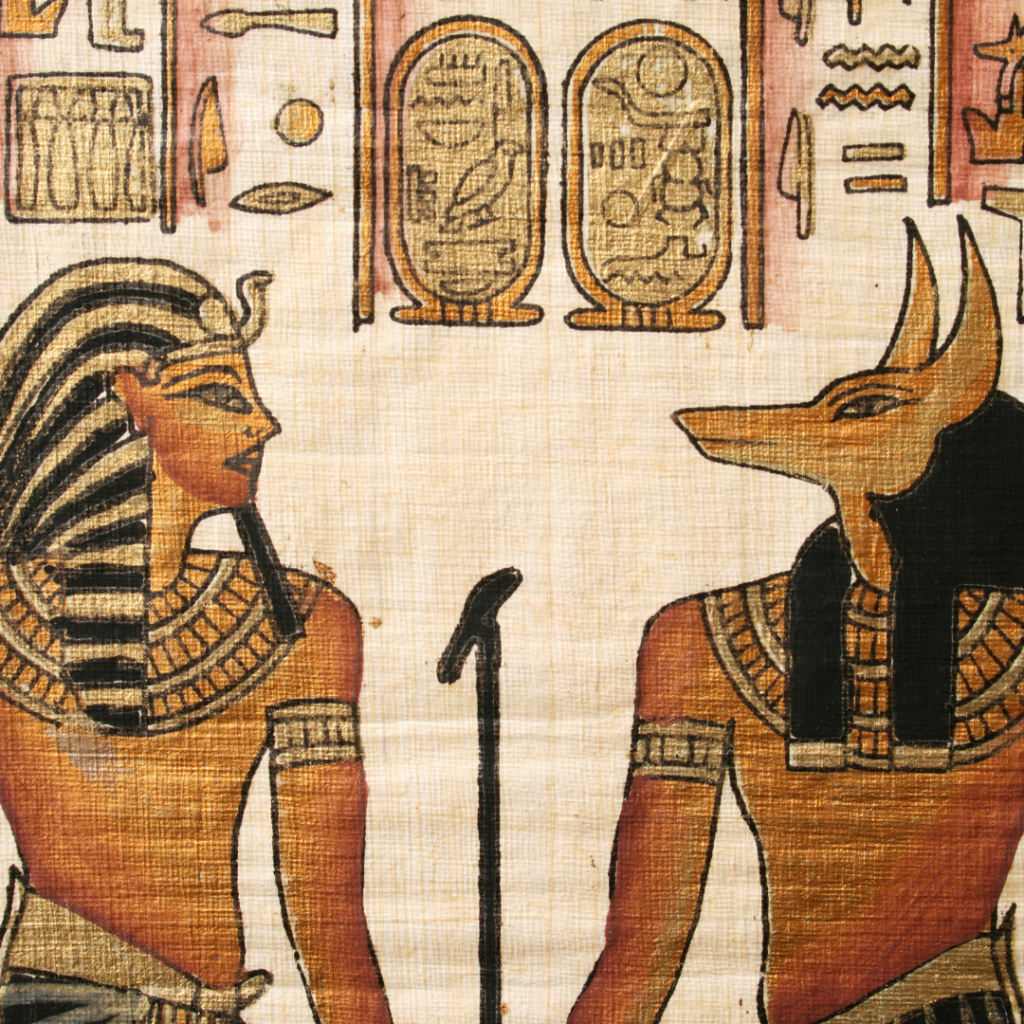
Ancient Egyptian civilization was built around religion. Gods were believed to control nature, life, death, and the balance of the universe. Among the most important were Ra, the sun god who ensured the daily cycle of life; Osiris, ruler of the afterlife and judge of souls; and Isis, goddess of magic and protection.
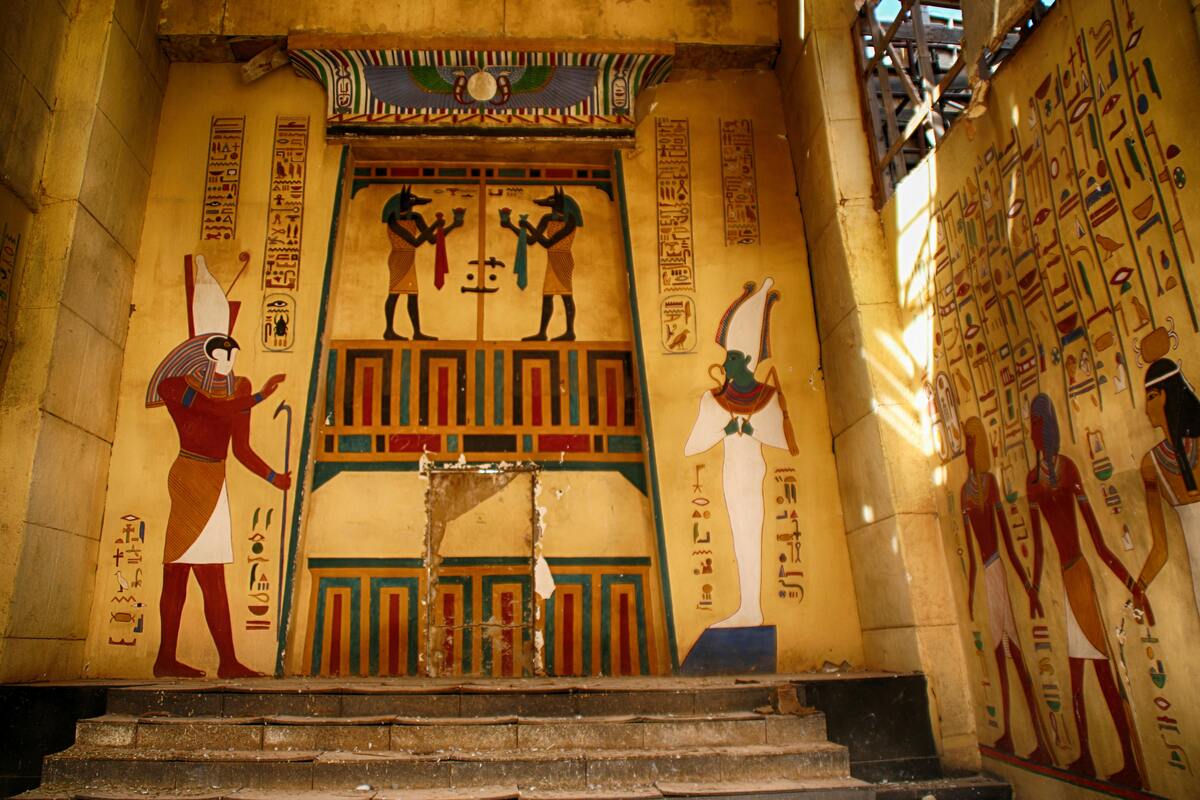
The most important myth you’ll encounter across temples and tombs is the story of Osiris, Isis, and Horus. Osiris, a wise and just king, was murdered by his brother Seth, the god of chaos. Isis used her magic to revive him, allowing Osiris to rule the afterlife. Their son Horus later defeated Seth, restoring order and becoming the divine model for Egyptian pharaohs.
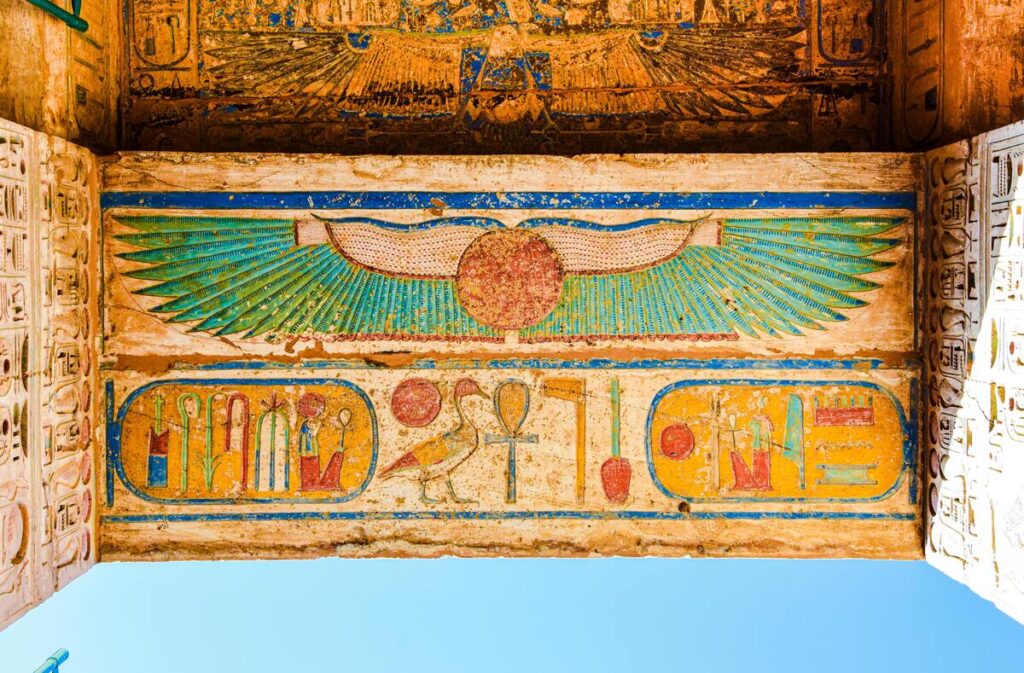
Symbols born from these myths appear everywhere. The Eye of Horus, for example, represents protection, healing, and balance restored after conflict. Creation myths also played a key role: the world emerged from the primordial waters of Nun, and cosmic order—called Ma’at—was established. After death, Egyptians believed every soul faced judgment, with the heart weighed against the feather of truth to determine eternal life.
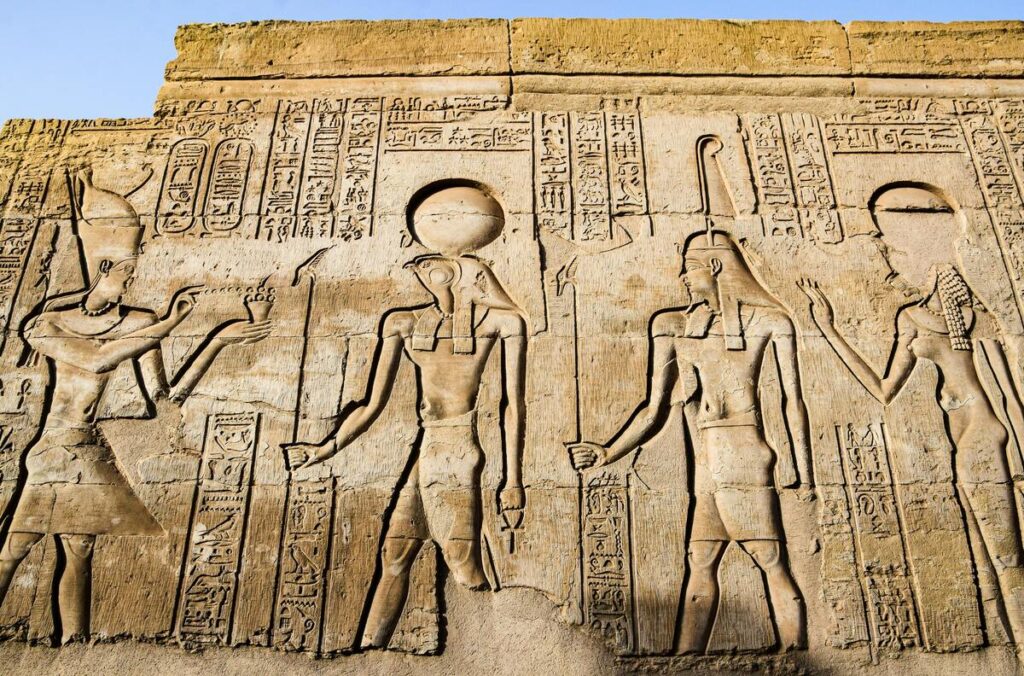
These myths are not just stories – they are carved into walls, painted on coffins, and depicted in statues. Recognizing symbols like Horus, often shown as a falcon, or understanding the concept of Ma’at, the cosmic order guiding both the universe and earthly law, makes visiting temples and tombs a much richer experience.
To simplify this complex belief system, it helps to start with the main gods you will encounter most often while visiting temples and tombs. In simple terms, the key deities of ancient Egyptian religion were:
-
Ra – sun god, linked to daily cycles and life on earth
-
Osiris – god of the afterlife and judge of souls
-
Isis – goddess of magic and motherhood, protector of the dead
Pharaohs, Temples and Sacred Architecture
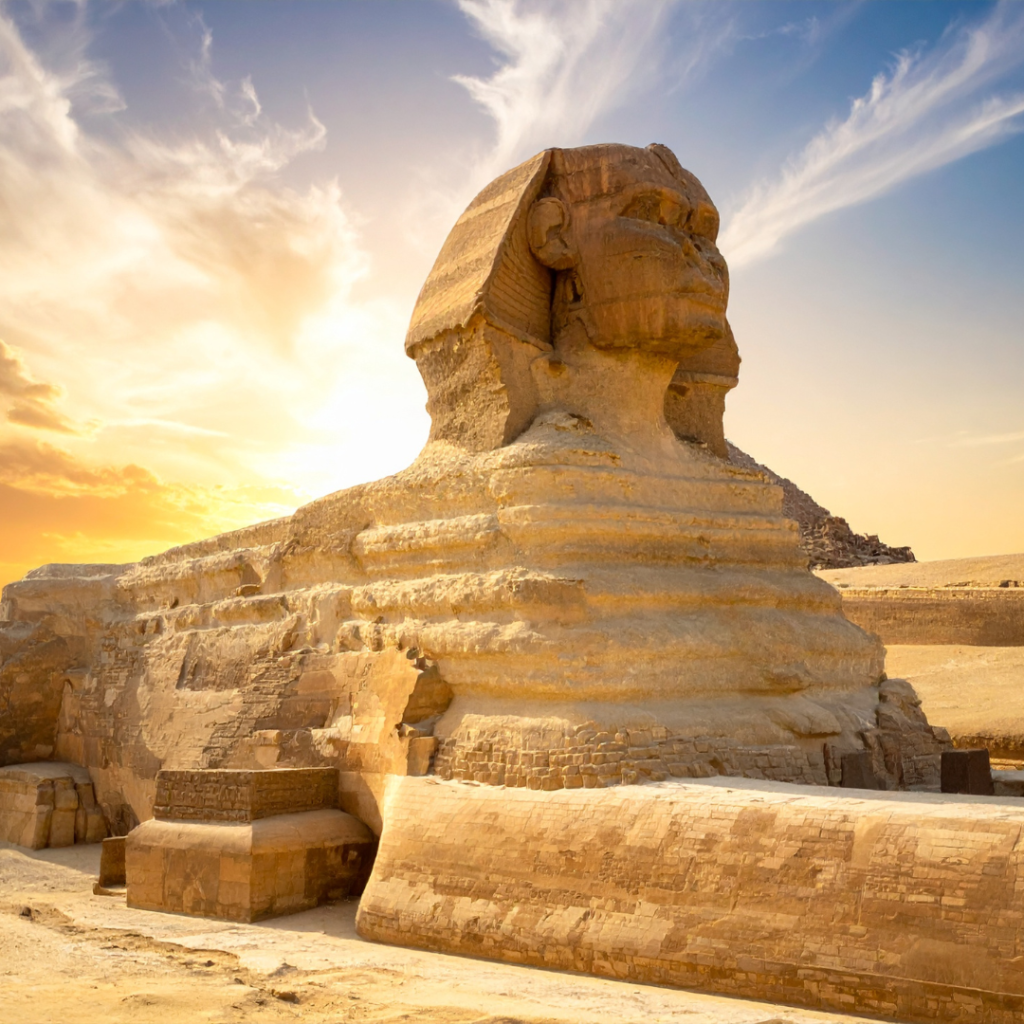
Pharaohs were considered living gods, responsible for maintaining Ma’at, the cosmic order, on earth. Their authority was both political and spiritual, and this belief explains the extraordinary scale and symbolism of Egypt’s monuments.
To ensure immortality, pharaohs were buried in elaborate tombs filled with treasures, spells, and symbolic objects meant to guide them safely into the afterlife. Some of the most important royal burial sites you may visit include:
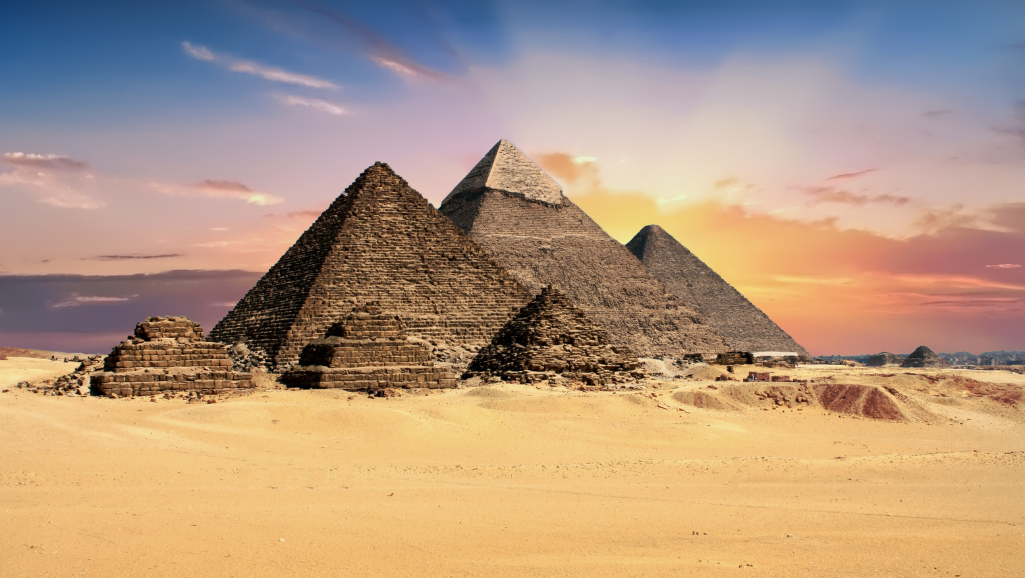
- The Pyramids of Giza, built for Khufu, Khafre, and Menkaure
- The Valley of the Kings, final resting place of rulers such as Tutankhamun and Ramses II
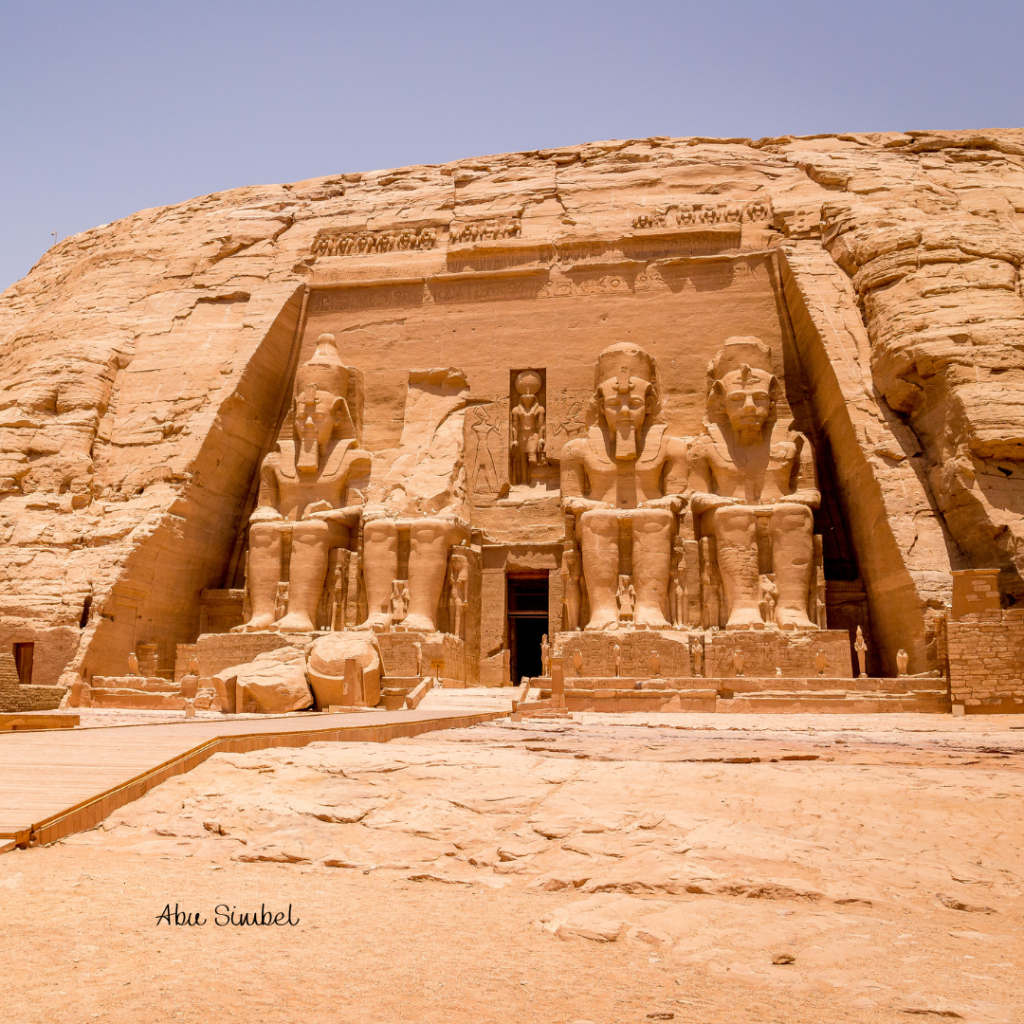
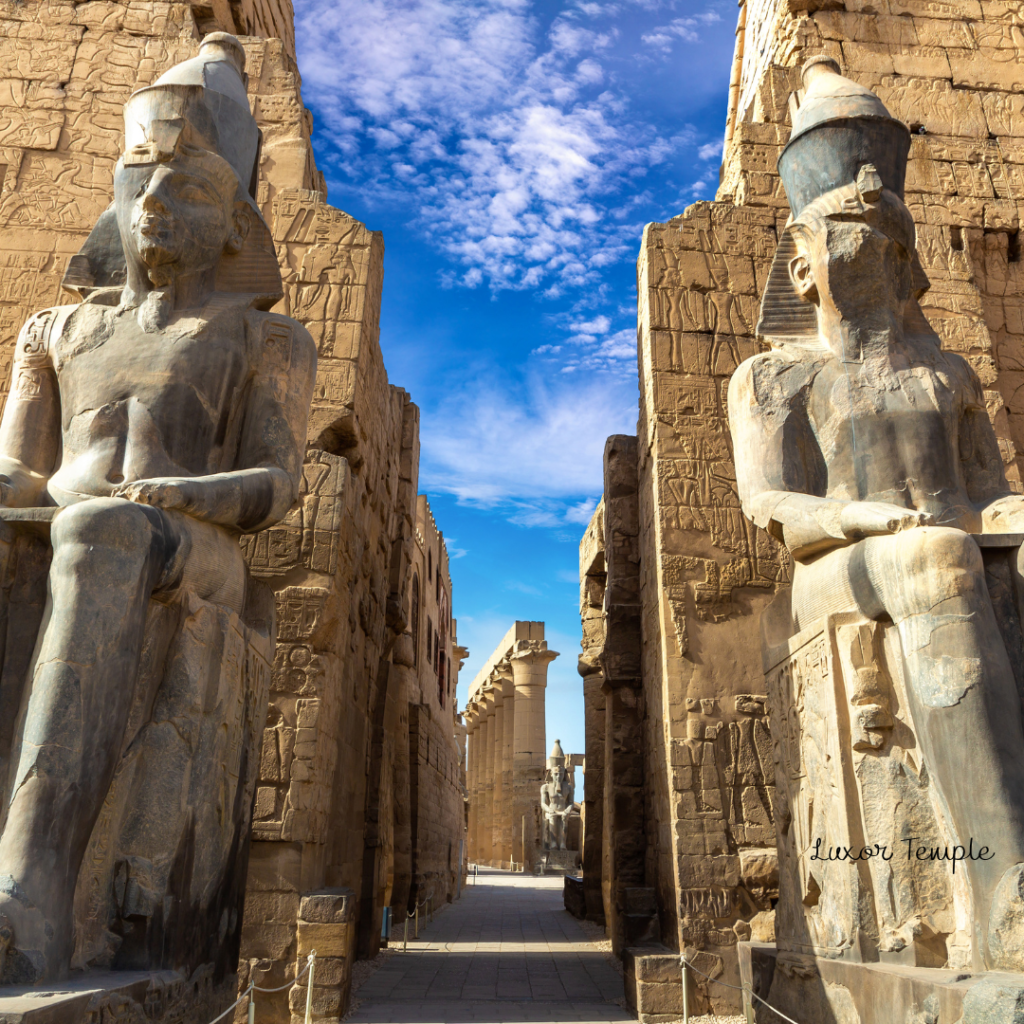
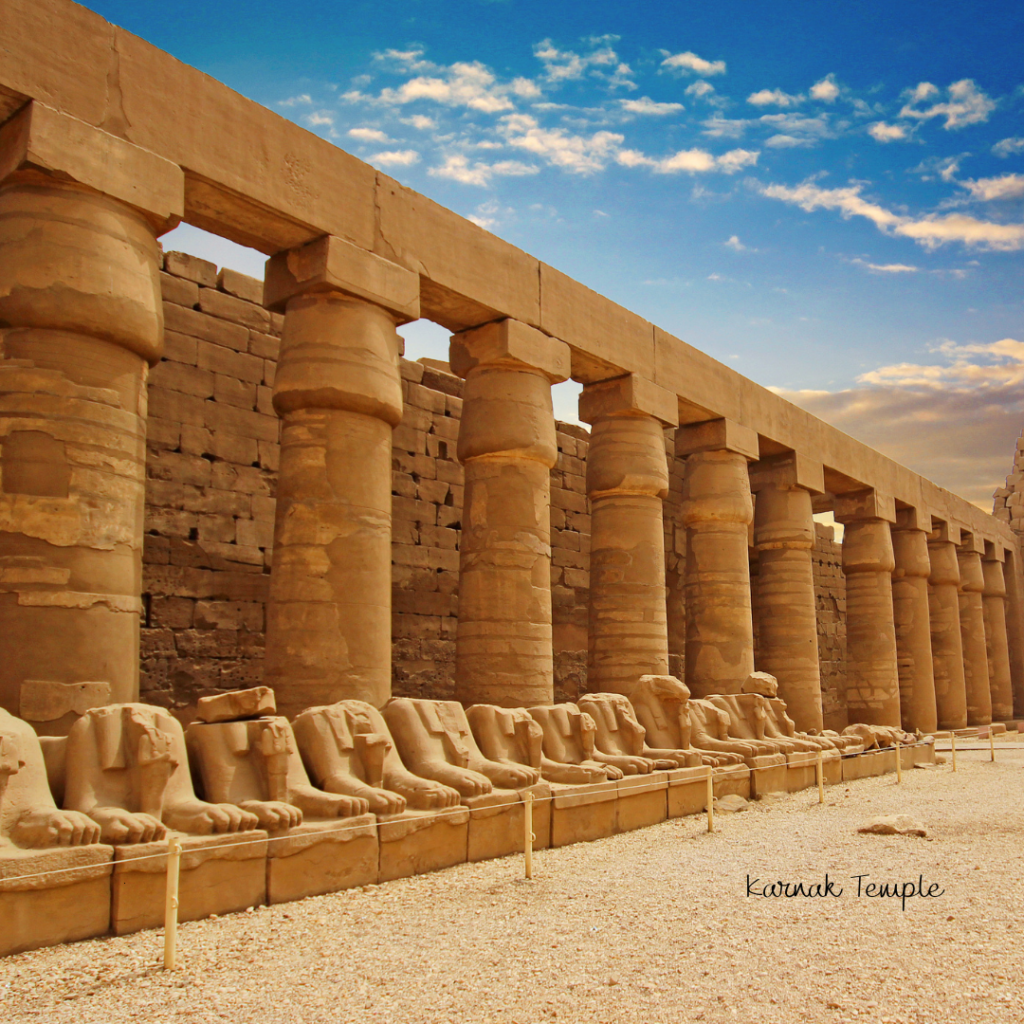
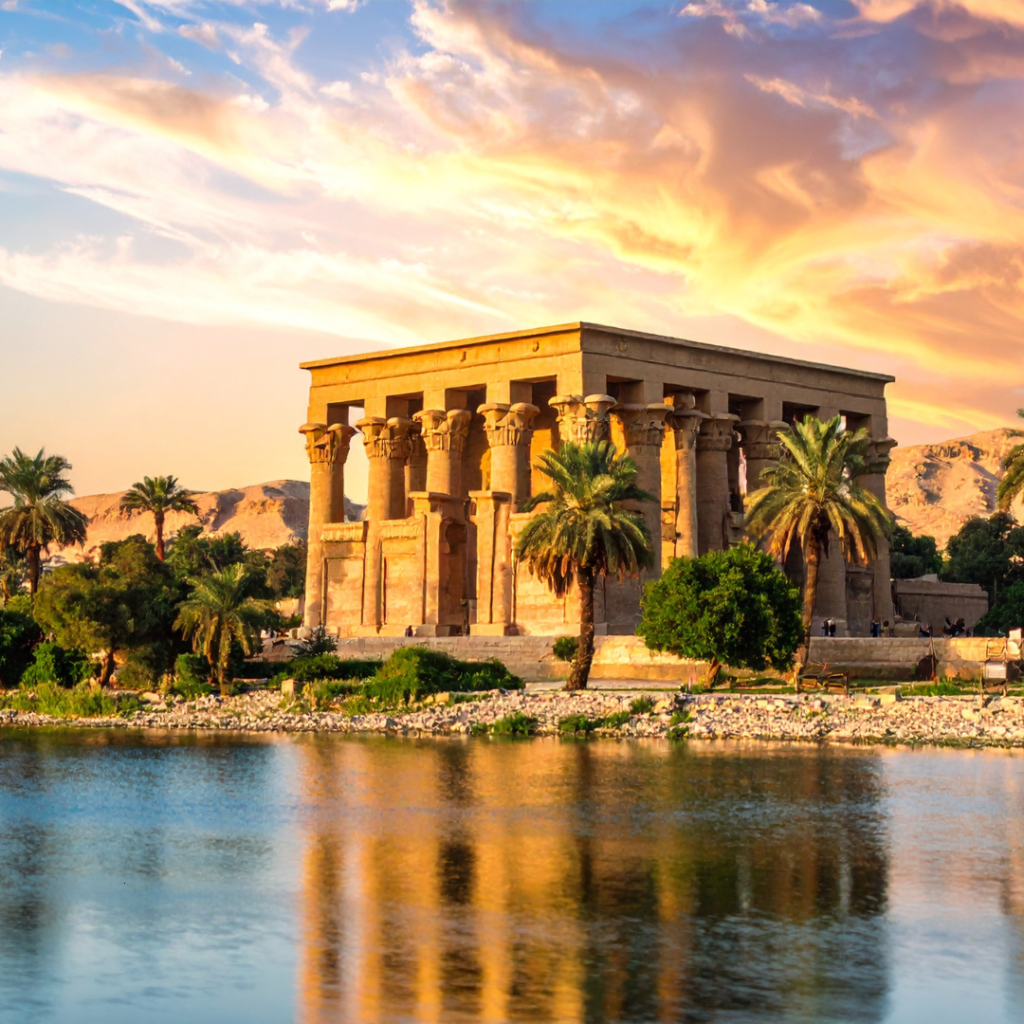
Temples, on the other hand, were not designed as places of public worship but as sacred centers of ritual, administration, and divine care. Walking through sites like Karnak Temple, with its immense forest of columns, or Luxor Temple, once used for royal ceremonies, helps you understand the close connection between religion and kingship. Further south, Philae Temple, dedicated to Isis, stands in a romantic island setting, while Edfu Temple, one of the best-preserved in Egypt, tells the story of the eternal battle between Horus and Seth. Finally, the monumental temples of Abu Simbel, carved directly into the rock, remain one of the most powerful expressions of pharaonic authority and devotion to the gods.
These temples are not just impressive ruins—they are visual stories carved in stone, meant to communicate power, faith, and eternity.
Sacred Animals, Symbols and Everyday Beliefs
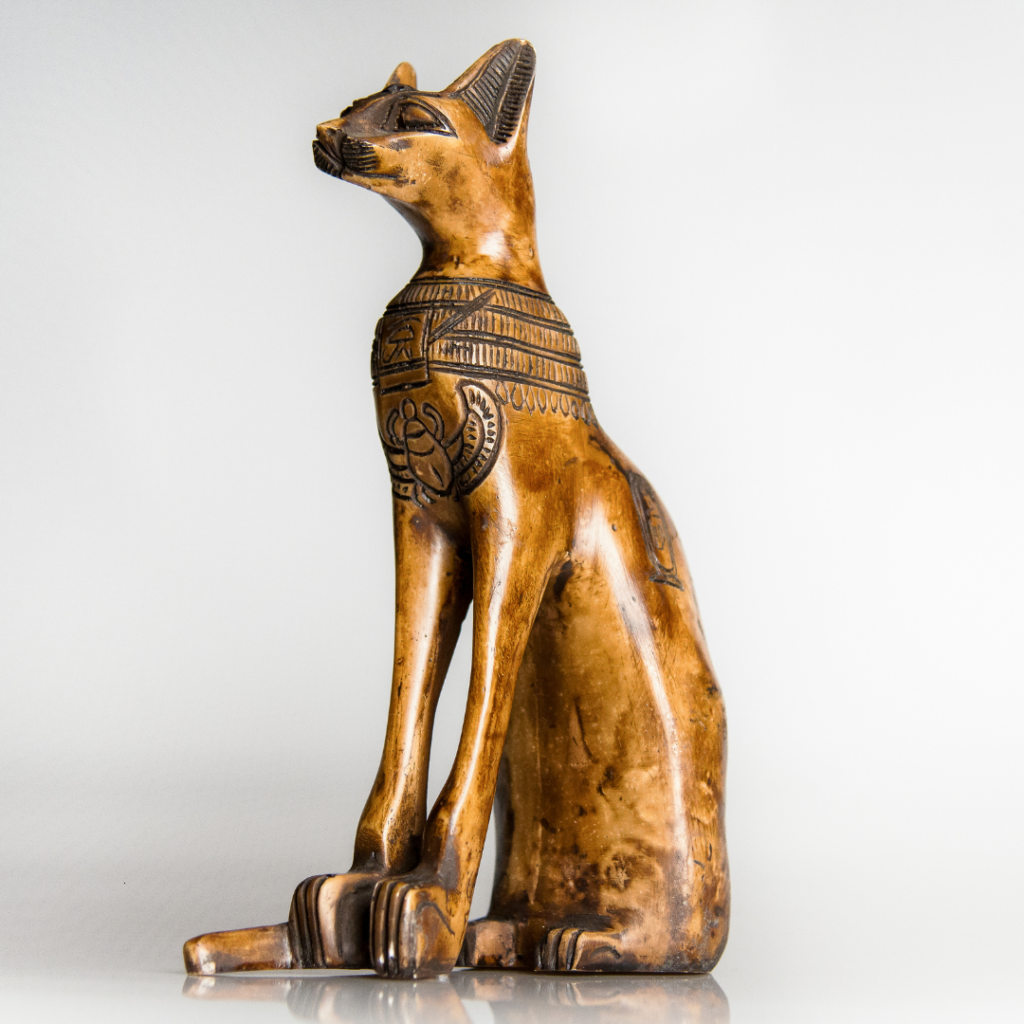
Animals were deeply connected to Egyptian spirituality. The most famous example is the cat, associated with the goddess Bastet, symbol of protection, fertility, and the home. Cats were so sacred that harming one—even accidentally—was considered a serious crime.
Other animals also carried religious meaning:
- Crocodiles, linked to the god Sobek and the power of the Nile
- Ibises, sacred to Thoth, god of wisdom
- Bulls, symbols of strength and fertility
These beliefs explain why animals appear constantly in Egyptian art. Hieroglyphs, statues, and wall paintings were never simple decorations. Each symbol conveyed layered meanings related to power, protection, rebirth, and divine order. Learning to recognize these symbols will completely change the way you experience temples and tombs.
Death, Rituals and Visiting Egypt Respectfully
Belief in the afterlife shaped every aspect of Egyptian funerary customs. Bodies were mummified to preserve them for eternity, and tombs were filled with amulets, spells, and everyday objects meant to support life beyond death. Places like Saqqara, the Valley of the Queens, and the Valley of the Kings offer some of the clearest insights into these practices.
When visiting ancient sites today, respecting this heritage is essential. Keep in mind a few basic rules:
- Do not touch or climb on monuments
- Follow signs and instructions inside temples and tombs
- Avoid photography where it is forbidden
Understanding myths and customs doesn’t just make your trip more interesting—it helps you travel more consciously. Egypt is not simply a destination to photograph, but a civilization to read, interpret, and respect. Knowing the stories behind what you see turns every visit into a cultural journey rather than just a sightseeing stop.
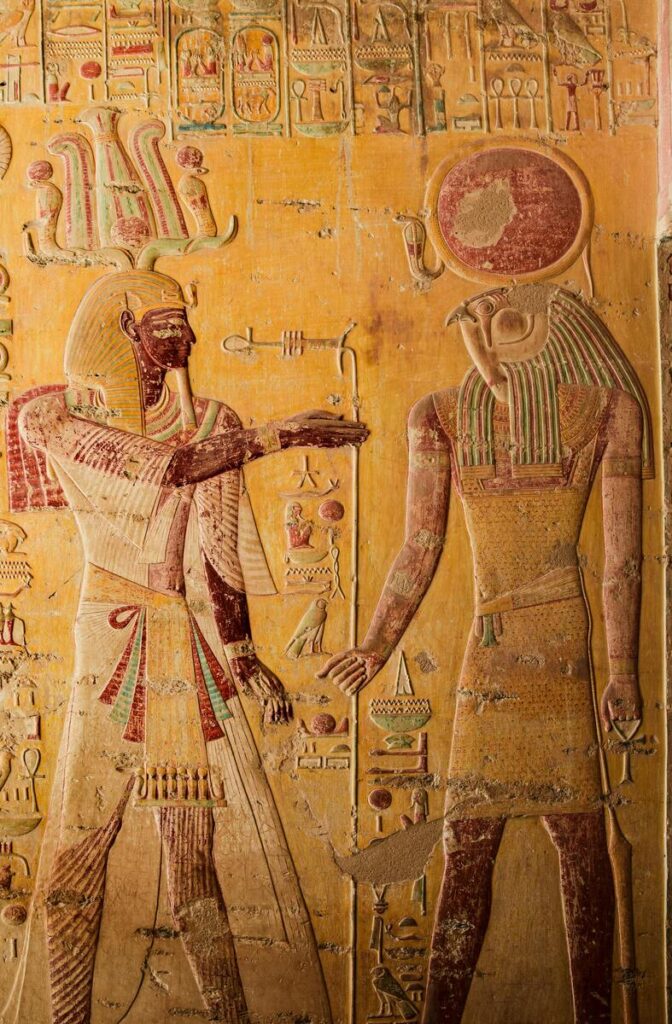
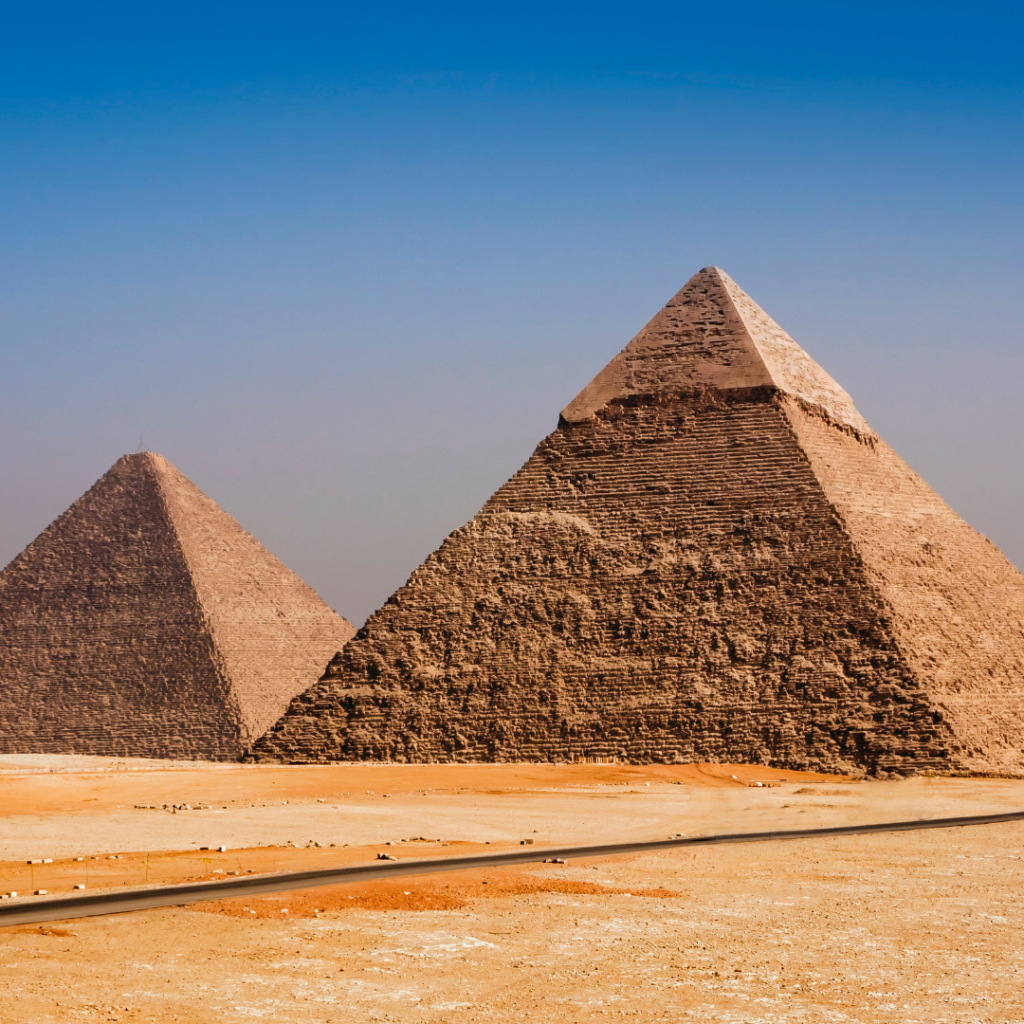
Many of the objects and inscriptions in these tombs were intended to guide and protect the deceased in the afterlife, and learning to recognize their meanings can transform your visit from sightseeing into a deeper cultural experience.
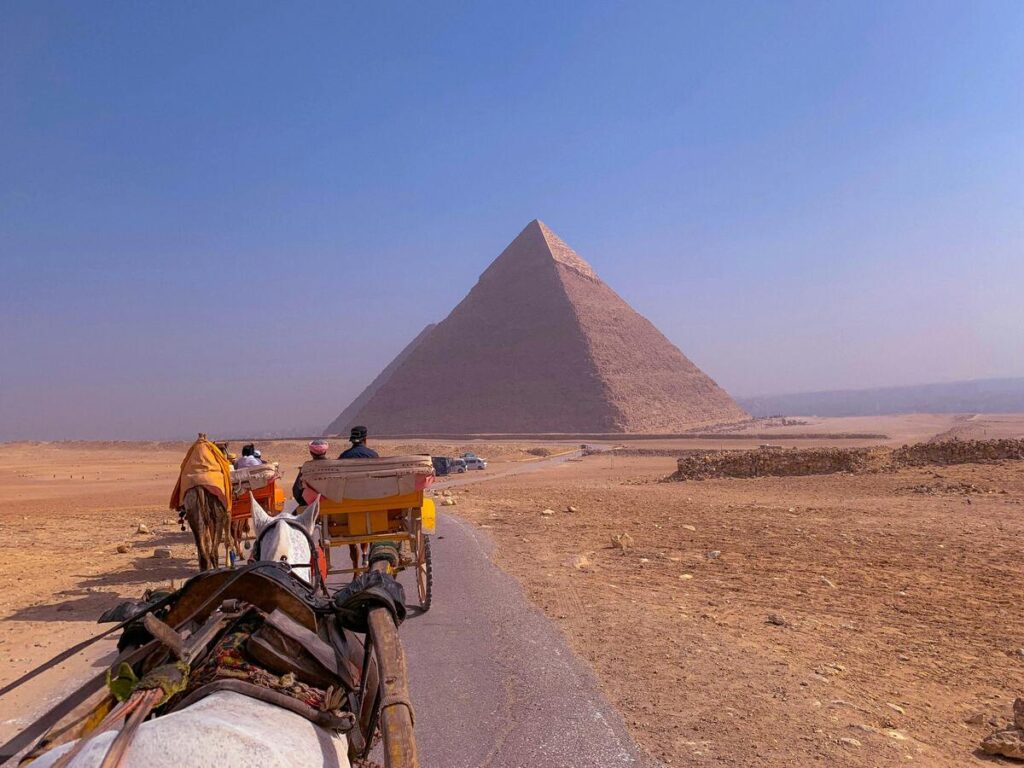
Follow me on Instagram and TikTok for behind-the-scenes moments, real-time itineraries, hidden spots, and practical travel tips that don’t always make it into an article. Experience each destination in real time, discover off-the-beaten-path locations, and get planning advice as you explore Egypt’s cities, deserts, and monuments.