Egypt Travel Guide: What to See, When to Go & Essential Tips for Your First Trip
When I visited Egypt for the first time, I was amazed by how quickly the landscapes changed from bustling Cairo streets to serene desert horizons and beautiful beach resorts. This guide will help you decide if Egypt is the right destination for you, highlight the must-see attractions, and give practical tips to plan your trip without stress. By the end, you’ll know how to enjoy Egypt’s history, culture, and coastlines in a way that feels smooth and manageable.
Egypt Essentials
📍 Where it is: Northeastern Africa
✈️ Why go: ancient temples, pyramids, deserts, Red Sea resorts
🗓 How much time you need: at least 7–10 days
💡 Type of trip: cultural, scenic, and beach relaxation
🌞 When to go to Egypt
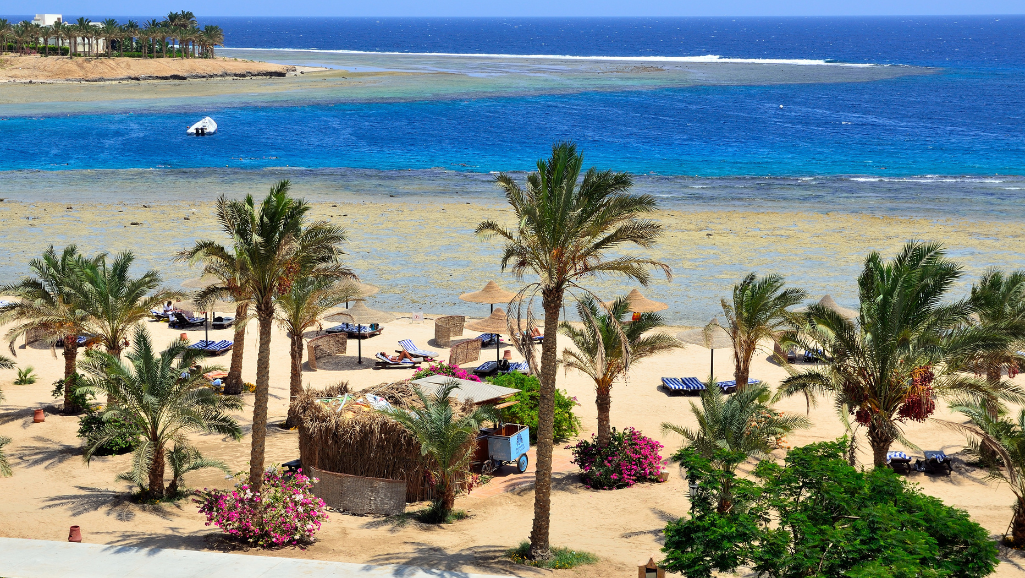
Best time to visit ✅ October to April offers cooler temperatures, ideal for sightseeing. May to June is perfect for Red Sea beach holidays – hot but manageable.
Months to avoid ⚠️ July to September can be extremely hot, especially in desert regions.
My tip: Combine cooler months for inland sightseeing with Red Sea relaxation—this way, you can enjoy both ancient sites and pristine beaches without overheating.
🗺️ My favorite itinerary: A well-balanced first trip could include Cairo, Luxor, and the Red Sea coast, combining history, cultural sites, and beach relaxation.
What to see in Egypt: must-see places
🌟 Iconic attractions
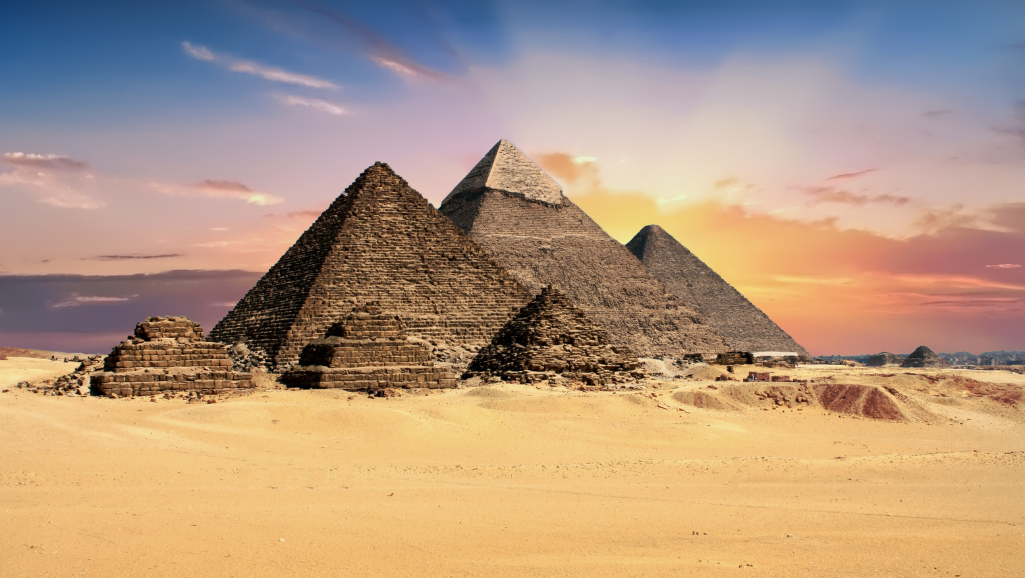
- Cairo – Great Pyramids of Giza, Sphinx, Egyptian Museum Arrive at the Pyramids early, around 8 AM, to avoid both the crowds and the intense midday heat. Bring water and a hat, you’ll thank yourself! I loved watching the sunrise over the Sphinx; it felt almost magical and peaceful despite the busy city nearby. Don’t miss the Egyptian Museum for a closer look at Tutankhamun’s treasures.
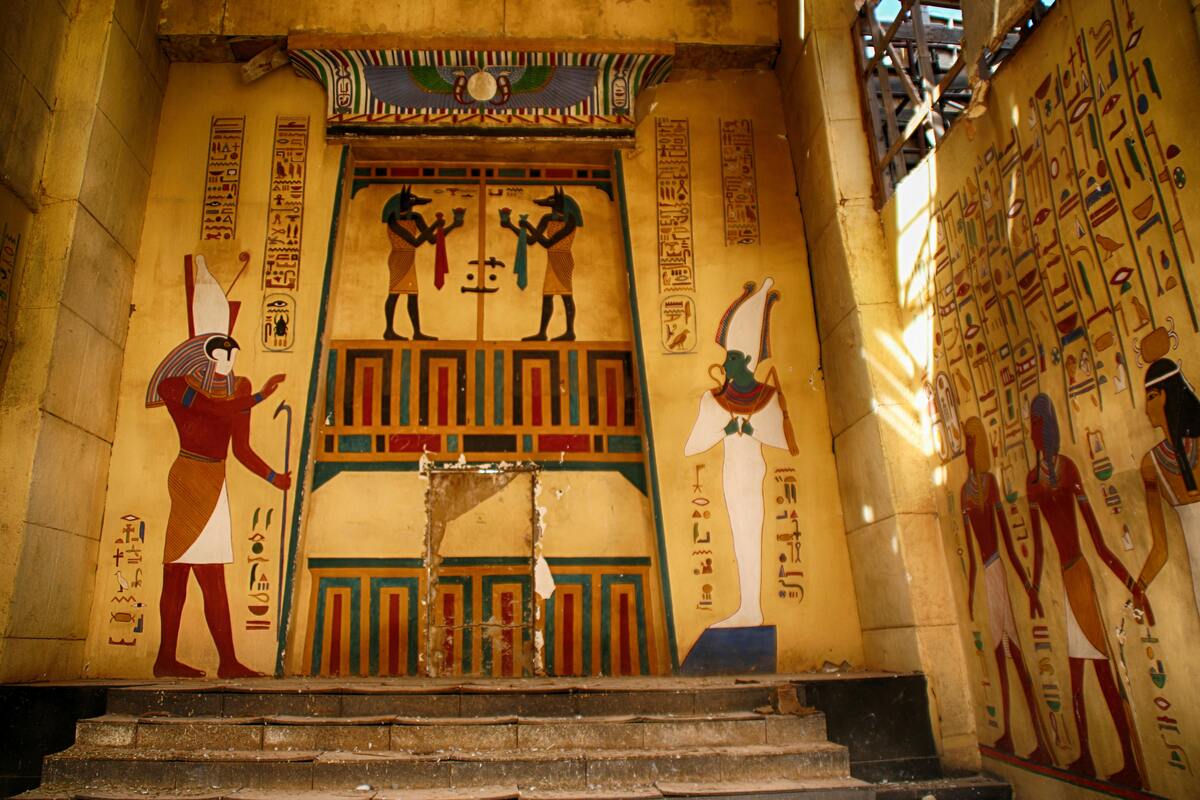
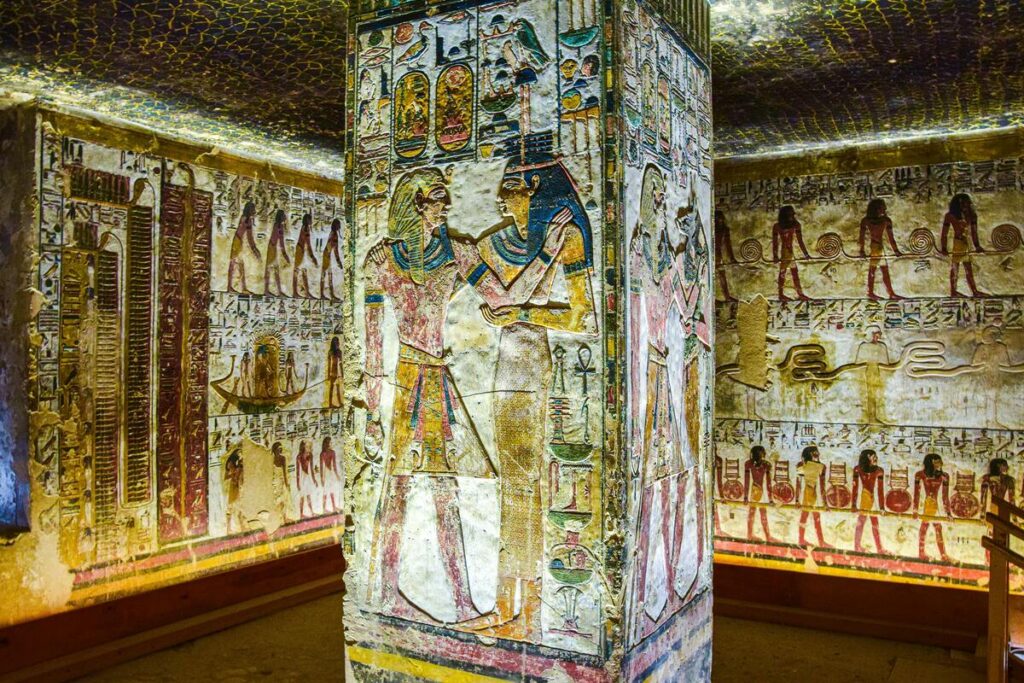
- Luxor – Valley of the Kings, Karnak Temple, Luxor Temple The tombs in the Valley of the Kings are best visited early in the morning. I booked a guided tour, which helped me understand the hieroglyphs and stories behind each tomb. Karnak Temple is huge, so plan at least 2–3 hours to explore. Luxor Temple is beautiful at sunset, the soft light makes it a perfect photo opportunity.
- Aswan – Philae Temple, Nile River Cruises Philae Temple is serene, surrounded by water. Take the little boat across the river, it adds a sense of adventure. I also recommend a short Nile cruise: even a 2-hour trip gives you stunning views of the river and daily life along the banks.
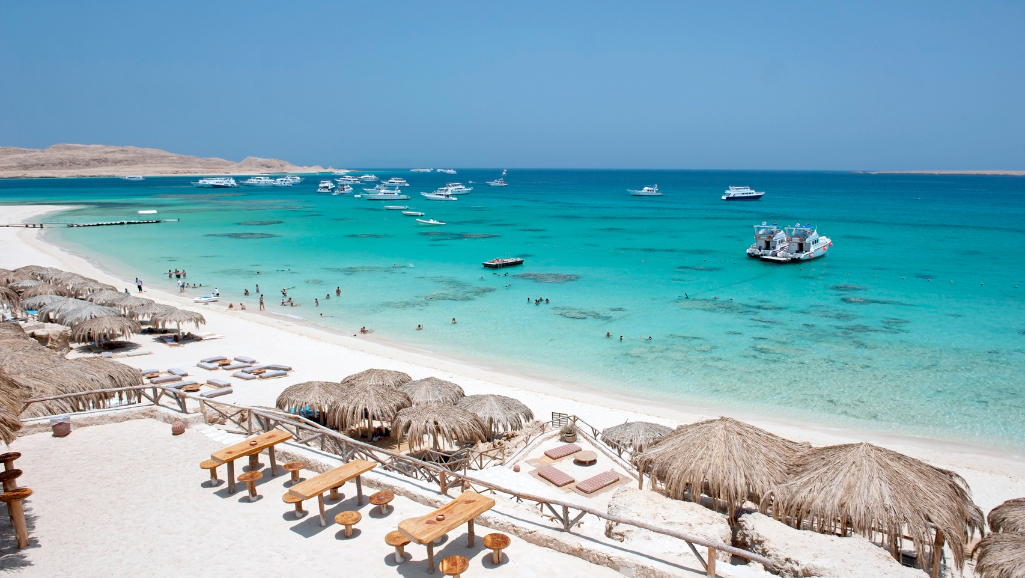
- Sharm El Sheikh – Coral Reefs, Ras Mohammed National Park Morning snorkeling trips are ideal; the water is calm, and visibility is perfect. On my visit, I saw turtles and beautiful coral species close to the shore, which was unforgettable. Ras Mohammed National Park is a must for divers and snorkelers alike.
- Marsa Alam – Beaches, Coral Reefs, Wadi El Gemal National Park This area feels less touristy than Sharm El Sheikh. I spent a morning snorkeling with dolphins, it was surreal. The pristine beaches and untouched coral reefs make it a perfect spot to relax and enjoy nature.
- Hurghada – Red Sea Resorts, Desert Safaris Hurghada is great for combining beach time with adventure. I went on a desert safari here: the sunset over the sand dunes is breathtaking. Resorts also offer easy access to diving excursions in the Red Sea.
These are the most popular stops for first-time visitors to Egypt.
🌿 Less touristy places
- Siwa Oasis – Desert Landscapes, Ancient Ruins Hire a local guide to explore Siwa’s desert. I discovered hidden ruins and quiet spots that most tourists miss, making the experience feel personal and authentic.
- Fayoum Oasis – Lakes, Waterfalls, Ancient Pyramids Fayoum is lush and serene. Visit Wadi El-Hitan (Valley of the Whales) for its unique fossils, it felt like stepping into another world.
- El Minya – Upper Egypt’s Hidden Gems El Minya has stunning tombs in Beni Hassan. I enjoyed walking along the Nile and visiting the temples without the crowds found in Luxor or Aswan.
- Dendera – Temple of Hathor One of Egypt’s best-preserved temples. The astronomical ceiling is incredible, especially if you take a guide to explain the symbolism.
- Abydos – Temple of Seti I Abydos is sacred and peaceful. The detailed reliefs are some of the finest in Egypt. Visiting early in the day allowed me to enjoy the site almost alone, which made it truly memorable.
Perfect if you want a balance of culture, adventure, and relaxation.
If you are curious about Ancient Egypt or want a simple introduction to its fascinating myths and legends, read more here.
Cultural Etiquette in Egypt: Do’s and Don’ts
Visiting Egypt is not just about seeing the famous sites, it’s also about respecting the local culture. Here are some tips I learned during my first trip that made my experience smoother and more enjoyable:
1. Dress respectfully
When visiting temples, mosques, or local neighborhoods, cover your shoulders and knees. Lightweight scarves or shawls are perfect for hot days, they keep you cool and help you respect local customs.
2. Ask before taking photos
Always ask permission before photographing people, especially in rural areas or markets. A friendly smile goes a long way!
3. Mind your manners in public spaces
Egyptians are friendly and welcoming, but it’s polite to greet shopkeepers and say “thank you” (or shukran). Avoid loud or disruptive behavior in religious or cultural sites.
4. Tipping is expected
Small tips are appreciated for guides, drivers, and even hotel staff. I usually kept small bills handy, it made interactions smoother and showed respect for the service.
5. Be aware of local customs
Avoid public displays of affection and be cautious when discussing religion or politics. Observing how locals behave will help you blend in and enjoy a more authentic experience.
🌟 Pro tip: A little effort to respect the culture goes a long way. During my trip, locals appreciated my gestures of respect, and I often received helpful tips in return!
Quick FAQ about Egypt
Is Egypt expensive?
Not at all! Daily expenses are generally affordable, especially for food and transport. On my first trip, I managed to eat delicious local meals for just a few dollars, and taxis around Cairo were surprisingly cheap. Budget travelers can easily enjoy Egypt without breaking the bank.
Is Egypt safe?
Yes, Egypt is generally safe for tourists, but standard precautions are important. I always kept an eye on my belongings in crowded markets and avoided walking alone late at night. During the day, sightseeing feels very comfortable, even in busy areas like Cairo and Luxor.
Do you need a car to get around?
No. Domestic flights, trains, taxis, and organized tours make it easy to travel without renting a car. I relied on trains between Cairo and Luxor, they were punctual and a great way to see the countryside. Short trips in cities are easiest by taxi or rideshare apps.
Is it essential to carry cash?
Yes, cash is widely used. The local currency is the Egyptian Pound (EGP).
-
100 EGP ≈ 5.5 USD
-
100 EGP ≈ 5 EUR
I recommend carrying some cash for small expenses, tips, and local markets, many places don’t accept cards.
On my trip, I always had a small stash for street food or souvenirs.
Use this guide as your starting point, and don’t forget to explore both the famous sites and hidden gems – I promise Egypt will surprise you at every turn.